Harringay Green Lanes Upholstery Cleaning Local Guide
If you live, work, or run a small business near Green Lanes, you already know upholstered furniture takes a beating. Commuters drop in with wet coats, dinner spills happen at the worst moment, and a sofa in a front room can quietly hold onto dust, crumbs, pet hair, and that slightly stale smell nobody wants to mention. This Harringay Green Lanes upholstery cleaning local guide is here to make the process simpler, clearer, and far less stressful.
Whether you are deciding between DIY cleaning and a professional service, trying to work out how often to clean a fabric sofa, or just want to protect a good armchair from becoming tired too soon, the practical advice below should help. Let's face it, upholstery is one of those things you barely notice until it looks dull or starts smelling "off". Then you notice it a lot.
In the sections below, you will find how upholstery cleaning works, what to expect locally, what mistakes to avoid, and how to choose a sensible approach for your home or premises around Harringay Green Lanes.
Why Harringay Green Lanes upholstery cleaning local guide Matters
Upholstery is one of the most used surfaces in a property, but it is also one of the easiest to neglect. Sofas, dining chairs, footstools, office seating, and reception furniture pick up body oils, dust, drink marks, and everyday wear. Around Harringay Green Lanes, where homes can be busy, compact, and lived-in, that buildup can happen faster than people expect.
A local upholstery cleaning guide matters because fabric types, traffic levels, and household routines vary. A family sofa in a flat above a shop is not the same as a lightly used armchair in a spare room. A cafe banquette or waiting-room chair brings different concerns again. The right cleaning plan should fit the material, the setting, and the amount of use, not just a generic "one size fits all" approach.
There is also a practical side to local cleaning. Shorter travel times, easier scheduling, and a better understanding of typical London living conditions all make a difference. If your cleaner knows the area well, they are more likely to understand the pace of local households, limited parking, shared entrances, and the reality of getting equipment in and out without turning the hallway into a drama. That helps, honestly.
Another reason this matters is longevity. Upholstery replacement is expensive, and in many cases unnecessary. Good cleaning can help preserve colour, texture, and shape, while also improving day-to-day comfort. Nobody wants to sit down and immediately notice a faint old spill patch or a crusty armrest. Small issue? Maybe. Annoying? Absolutely.
How Harringay Green Lanes upholstery cleaning local guide Works
Professional upholstery cleaning is usually a process, not a single action. The exact method depends on the fabric, the furniture construction, and the amount of soiling. In practical terms, the cleaner is assessing what can be safely removed, what needs pre-treatment, and how much moisture the material can tolerate.
A sensible service generally begins with inspection. This is where the cleaner checks labels, tests the fibre where needed, and looks for problem areas such as heavy armrest grime, food stains, pet-related marks, or dye transfer. Some fabrics are delicate. Some are deceptively stubborn. And some, to be fair, are both.
Then comes vacuuming and dry soil removal. This step matters more than people think. Loose grit acts like sandpaper in the fibres, so removing it first helps protect the fabric during the deeper clean. After that, suitable pre-sprays, spot treatments, or low-moisture methods may be used depending on the material and the problem.
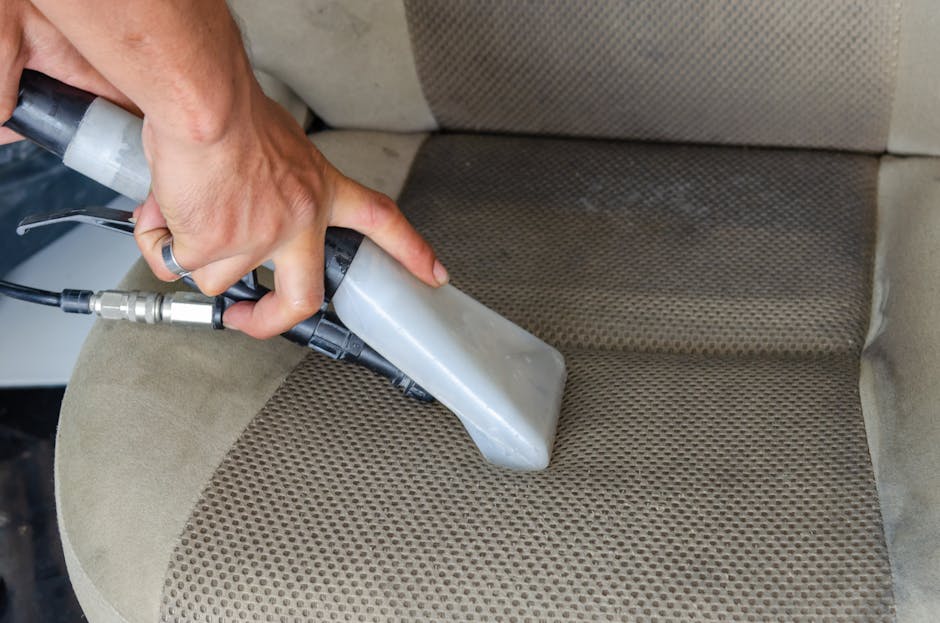
For many common fabrics, cleaning often involves controlled moisture extraction or a careful low-moisture process. The goal is to lift dirt without over-wetting the upholstery. Over-wetting can leave long drying times, water marks, or a musty smell if ventilation is poor. In a London flat on a damp day, that is the kind of issue you want to avoid.
Finally, the furniture is groomed or brushed if appropriate, and drying guidance is given. A good cleaner should tell you how long to keep people and pets off the upholstery, how to ventilate the room, and what to do if a stain reappears as the fabric dries. That aftercare advice is not fluff. It is part of the service.
Key Benefits and Practical Advantages
There are obvious benefits, and then there are the ones people only appreciate once the work is done.
- Cleaner appearance: Fabrics look brighter, fresher, and more even in colour.
- Better odour control: Upholstery can hold onto cooking smells, pet odours, and general room mustiness.
- Improved hygiene: Regular cleaning removes everyday buildup from frequently touched surfaces.
- Longer furniture life: Removing grit and residue helps reduce wear on fibres.
- More comfortable rooms: A clean sofa simply makes the room feel calmer and better cared for.
- Better first impressions: This matters in rentals, client-facing spaces, and homes preparing for guests.
One practical advantage often overlooked is consistency. If you clean upholstery before stains become permanent, you usually avoid aggressive spot treatments later. That can mean less risk of colour loss or texture damage. In other words, maintenance is usually easier than rescue work. Strange but true, and very useful.
For landlords, hosts, and small business owners near Green Lanes, upholstery cleaning can also support a more professional appearance between tenancies, bookings, or client visits. The room may be tidy already, but tired fabric has a way of making everything feel older than it is. Fresh upholstery changes that quickly.
Who This Is For and When It Makes Sense
This guide is useful for homeowners, tenants, landlords, managing agents, hospitality businesses, offices, and anyone caring for upholstered furniture in the Harringay Green Lanes area. If a sofa, chair, or bench is used regularly, it will benefit from periodic cleaning. The question is less whether and more when.
You may want to book upholstery cleaning if you notice:
- visible marks or food spills
- a stale or fusty smell
- flattened or dull-looking fabric
- pet hair and dander embedded in the fibres
- general grime on armrests or headrests
- an upcoming move-out inspection or tenancy change
- a special event, guest visit, or reopening after downtime
It also makes sense to clean upholstery before problems get obvious. A faint shadow on the seat cushion or a little darkening near the arms can often be managed more gently if you act early. If you wait too long, the cleaning may still help, but the job can become more fiddly. And more expensive, sometimes. Nobody likes that part.
For family homes, the trigger is often pets, children, or both. For commercial spaces, it is usually frequency of use. In waiting areas, dining areas, and break rooms, upholstery sees more hands, more dust, and more accidental spills than people realise. The furniture is basically working overtime.
Step-by-Step Guidance
If you want a smooth result, a little preparation goes a long way. Here is the simplest way to think about the process.
- Identify the furniture and fabric type. Check labels if available and note any sensitive materials, trims, or decorative buttons.
- List the problem areas. Mention stains, smells, pet issues, or wear spots so the cleaner can plan properly.
- Clear access. Move small items, cushions, and fragile objects out of the way before the appointment.
- Ask about the method. Not every sofa should be treated the same way. A cautious cleaner will explain what they are using and why.
- Request a test if needed. On delicate or unknown fabrics, a small patch test is a sensible precaution.
- Make sure the room can ventilate. Open windows where possible and keep airflow moving after the clean.
- Follow drying advice. Avoid sitting too soon, even if the surface feels dry on top.
- Review the result in good light. Early daylight or a bright lamp helps reveal any missed spots or shadowing.
Simple, really. But simple does not mean casual. The best outcomes usually come from careful setup and realistic expectations. If a stain has been sitting there since last winter, it may improve a lot without disappearing entirely. That is normal. A professional should explain that clearly rather than promising magic.
One useful habit: take a quick photo of the furniture before cleaning. Not because you are expecting trouble, just so you can compare before and after fairly. It keeps everyone on the same page, which is never a bad thing.
Expert Tips for Better Results
Here are the little details that tend to separate decent results from really good ones.
1. Tackle stains by type, not by guesswork
Drink spills, oily marks, ink, and pet accidents often need different treatments. Using the wrong product can set the stain or spread it. If you are unsure, leave it alone and let the cleaner decide. That restraint can save the fabric.
2. Be honest about previous cleaning
If you have tried a supermarket spray or a steam cleaner before, say so. Residue from DIY products can affect the final result. It is not a big deal, but it helps the technician avoid surprises.
3. Check drying conditions in advance
A room with poor airflow, thick curtains, and closed windows will dry slower. On a humid evening in London, that matters. Ask how long the furniture should stay unused and whether a fan or extra ventilation will help.
4. Pay attention to fabric construction
Loose weaves, velvet, linen blends, and textured synthetics can behave very differently. The outer appearance may look simple, but the cleaning response can vary a lot underneath. This is where experience matters, because one wrong move can flatten a pile or leave a tide mark.
5. Build cleaning into your routine
You do not need to wait for a crisis. Light maintenance on a sensible schedule is usually better than emergency cleaning after a spill has dried hard. A little and often approach keeps the furniture looking lived-in, not neglected.
Expert summary: The best upholstery cleaning is usually careful, fabric-specific, and practical. Good results come from matching the method to the material, controlling moisture, and allowing proper drying time. Quick fixes are tempting; restraint usually wins.
Common Mistakes to Avoid
Some mistakes are small. Some are annoyingly expensive. Most can be avoided with a bit of patience.
- Rubbing stains aggressively: This can drive the mark deeper into the fibres and distort the fabric.
- Using too much water: Over-wetting can cause long drying times and water marks.
- Ignoring fabric labels: Cleaning a delicate fabric like a robust synthetic is asking for trouble.
- Assuming all "steam cleaning" is the same: Methods vary, and heat is not suitable for every material.
- Waiting until smells are embedded: Odours are easier to manage earlier, before they settle in.
- Skipping pre-vacuuming: Loose grit can make the clean less effective and more abrasive.
- Choosing solely on the cheapest price: Cheap can work out fine, but only if the cleaner knows the fabric and uses the right method.
There is also a quieter mistake: expecting every stain to disappear completely. Sometimes they do. Sometimes they improve greatly but remain faintly visible. A good cleaner will tell you that upfront rather than dressing it up. That honesty is worth a lot.
And yes, very occasionally, the sofa wins. It happens. The point is to improve the furniture safely, not bully it into looking brand new when it is clearly past that stage.
Tools, Resources and Recommendations
You do not need a van full of equipment to understand upholstery cleaning, but a few basics help you make better decisions.
| Tool or Resource | What It Helps With | Why It Matters |
|---|---|---|
| Vacuum with upholstery attachment | Removing dust, crumbs, hair, and loose grit | Prevents abrasive dirt from being worked deeper into the fabric |
| Microfibre cloths | Blotting small spills gently | Less likely to spread a stain than rougher cloths |
| Soft brush | Refreshing pile on suitable fabrics | Helps lift fibres without harsh scraping |
| Fabric care label | Identifying cleaning restrictions | Guides safe method selection |
| Professional quote and inspection | Method selection, stain assessment, pricing clarity | Reduces guesswork and helps set realistic expectations |
If you are comparing providers, useful pages such as pricing and quotes information can help you understand what is included before you book. It is also sensible to read the company's insurance and safety details and the health and safety policy if the work is taking place in a home, communal building, or commercial setting.
For broader trust signals, it can help to review about the company and their terms and conditions. If you need clarification before arranging a visit, the contact page is the obvious next step. Straightforward stuff, but worth doing.
Law, Compliance, Standards, or Best Practice
Upholstery cleaning itself is not a heavily regulated service in the way some trades are, but good providers should still follow sensible UK best practice. That includes treating the property carefully, using products responsibly, handling equipment safely, and being clear about limitations and risks.
For domestic and commercial customers, the practical points are usually these:
- Health and safety: Equipment should be used in a way that reduces slip risk, electrical risk, and unnecessary exposure to moisture or chemicals.
- Insurance: A reputable operator should be able to explain how they manage accidental damage, especially around delicate fabric or built-in furniture.
- Clear communication: You should know what is being cleaned, what method will be used, and what outcome is realistic.
- Security and payments: Booking and payment processes should be transparent, with no hidden confusion about charges or add-ons.
- Privacy: If any customer details are collected, the business should handle them appropriately and responsibly.
If you are comparing providers in Harringay Green Lanes, looking at their payment and security information and privacy policy is not overcautious. It is just good sense. Same with their recycling and sustainability commitment if environmental practice matters to you.
One small but important point: if a cleaner gives you a very confident answer without first checking the fabric, that is not always a good sign. The safer answer is often, "Let me inspect it first." That kind of caution is reassuring, not evasive.
Options, Methods, or Comparison Table
Different upholstery cleaning methods suit different situations. Here is a simple comparison to help you think it through.
| Method | Best For | Advantages | Watch Out For |
|---|---|---|---|
| DIY spot cleaning | Small fresh marks and light maintenance | Cheap, fast, useful for immediate blotting | Can spread stains or damage fabric if overdone |
| Low-moisture professional cleaning | Delicate fabrics and faster drying needs | Gentler on some materials, less drying time | May not suit heavy soiling as well as a deeper method |
| Hot water extraction or similar deep cleaning | Common synthetic upholstery with embedded soil | Strong soil removal, effective on everyday dirt | Must be controlled carefully to avoid overwetting |
| Specialist stain treatment | Problem stains or isolated contamination | Targets a specific issue without treating everything aggressively | Results depend on stain age, fabric type, and prior treatments |
The right choice depends on more than just price. A cheap clean that leaves a sofa damp for half a day is not really cheap if it disrupts your household or leaves a smell behind. On the other hand, a heavy-duty method is not always better if your upholstery is delicate. Good judgement matters. A lot.
Case Study or Real-World Example
Picture a typical flat near Green Lanes: a mid-sized fabric sofa, two dining chairs, and a footstool. The sofa has armrest darkening, a faint food stain on one cushion, and a general dull look from everyday use. Nothing dramatic. Just enough to make the room feel a bit tired, especially in daylight.
The first step is inspection. The fabric is checked, the stain is identified as an older food mark, and the furniture is vacuumed carefully. The cleaner uses a controlled pre-treatment on the armrests, then a suitable cleaning method for the main upholstery. The old stain improves, though it does not vanish perfectly. The armrests brighten, the odour drops off, and the whole room feels fresher by the afternoon.
What made the difference here was not some secret product. It was preparation, method choice, and drying time. The customer had also moved side tables and cushions beforehand, which seems small, but saves a surprising amount of faff. By the next day, the furniture was dry and back in use. Nothing flashy. Just a cleaner, calmer room.
That sort of result is common when the upholstery is treated early and sensibly. It is much harder to get the same outcome when a stain has been scrubbed repeatedly with random household products for six months. Still possible, sometimes. But messier.
Practical Checklist
Use this checklist before booking or starting upholstery cleaning.
- Identify the furniture pieces that need cleaning.
- Check fabric labels or care notes if available.
- List stains, odours, and heavily used areas.
- Decide whether you need a light refresh or a deeper clean.
- Ask about the cleaning method and drying time.
- Confirm whether the cleaner has suitable insurance and safety procedures.
- Clear access around the furniture and nearby walkways.
- Ventilate the room where possible after cleaning.
- Avoid sitting on the upholstery until it is properly dry.
- Review the result in good light once the fabric is dry.
If you want to compare service details before booking, the company's pricing and quotes page and terms and conditions are sensible places to start. For accessibility needs, you can also review the accessibility statement.
Conclusion
Good upholstery cleaning is not just about making a sofa look nice for five minutes. It is about protecting fabric, improving comfort, and keeping the room feeling cared for. In a busy part of North London like Harringay Green Lanes, that matters more than people sometimes realise.
The best results usually come from knowing the fabric, choosing the right method, and being realistic about what can be removed safely. If you take anything away from this guide, let it be this: act early, ask clear questions, and never rush the process. A little care goes a long way.
Get a free quote today and see how much you can save.
If you are ready to take the next step, use the contact page to ask a few straightforward questions and get guidance based on your furniture, fabric, and location. Nice and simple. Sometimes that is all you need.
Frequently Asked Questions
How often should upholstery be cleaned in a busy Harringay home?
For a busy household, many people find a light professional clean or deep refresh every 12 to 18 months works well, with spot care in between. Heavily used sofas or homes with pets may need attention sooner.
Can all upholstery fabrics be cleaned the same way?
No. Cotton blends, synthetics, velvet, linen, leather, and delicate decorative fabrics all behave differently. A responsible cleaner should inspect the item first and choose a method that suits the material.
Will upholstery cleaning remove every stain?
Not always. Fresh stains are usually easier than old ones, and some marks may improve a great deal without disappearing completely. Dye transfer, heat-set stains, and heavily scrubbed areas can be especially stubborn.
How long does upholstery take to dry?
Drying time depends on the fabric, the method used, room temperature, and airflow. Some items may be ready sooner than others, but it is best to follow the cleaner's guidance rather than guess.
Is professional upholstery cleaning worth it compared with DIY?
If the furniture is valuable, heavily used, stained, or delicate, professional cleaning is often worth it because the method is chosen more carefully. DIY is fine for quick blotting and light maintenance, but it can go wrong quickly if too much water or the wrong product is used.
What should I do before the cleaner arrives?
Clear the area, remove cushions and small items, note any problem spots, and make sure there is enough access around the furniture. A tidy setup helps the job go more smoothly and saves time.
Can upholstery cleaning help with smells from pets or cooking?
Yes, in many cases it can reduce trapped odours significantly. The final result depends on how deep the smell has gone into the fabric and padding. Sometimes a strong odour needs more than one treatment or a more targeted approach.
Is it safe to clean upholstery in a rented flat?
Usually yes, provided the cleaner uses the correct method and you follow drying advice. If you are a tenant, it can also be worth checking your agreement and keeping the landlord or managing agent informed if needed.
How do I know if a cleaner is trustworthy?
Look for clear communication, sensible questions about the fabric, straightforward pricing information, and visible policies on safety, payment, and complaints. Pages like about the company and insurance and safety help build that picture.
Does upholstery cleaning affect the lifespan of furniture?
Done properly, it can help extend the life of the furniture by removing dirt that wears fibres down over time. It will not make old furniture new, but it can slow the tired look that builds up from regular use.
What if my upholstery has an unknown fabric label?
If the care label is missing or unreadable, the safest move is to tell the cleaner before they begin. They can inspect the fabric, test a small area if needed, and avoid using a method that could damage the item.
Where can I check company policies before booking?
You can review useful trust pages such as privacy policy, payment and security, health and safety policy, and complaints procedure before making a decision. That is a smart habit, really.
Is there anything I should avoid after upholstery cleaning?
Yes. Avoid heavy use until the item is fully dry, and avoid adding more cleaning products unless advised. If a mark reappears as the fabric dries, let the cleaner know rather than scrubbing it yourself.