Mould and damp mattress cleaning Tottenham common problems
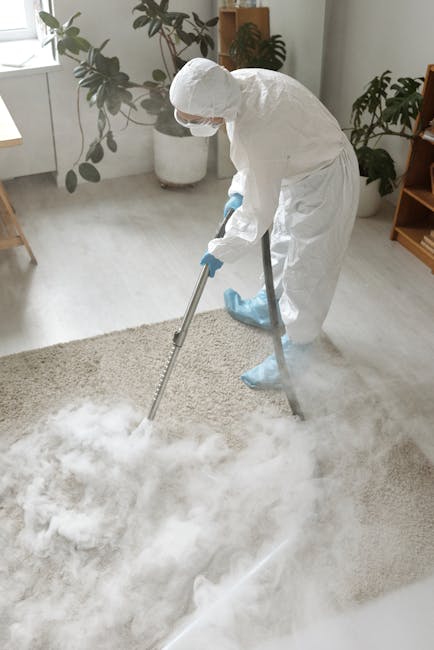
If you have spotted a musty smell, dark patches, or that slightly cold, clammy feeling in the bed, you are probably dealing with one of the more frustrating household issues: mould and damp mattress cleaning Tottenham common problems. It is not just unpleasant. It can affect sleep, trigger irritation, and turn a decent mattress into something you do not really want to lie on for another night. The good news? Once you understand what causes it, how to deal with it properly, and when a mattress needs professional attention or replacement, the whole situation becomes far less overwhelming.
In Tottenham homes, where older buildings, changing temperatures, and everyday moisture can all play a role, mattress dampness can show up more often than people expect. This guide breaks down the problem in plain English, explains what actually works, and helps you make sensible decisions without wasting money or making the damage worse. Let's get into it.
Why Mould and damp mattress cleaning Tottenham common problems Matters
A damp mattress is rarely just "a bit of moisture". In practice, it often means trapped humidity, poor airflow, body moisture, leaks, condensation, or a combination of all four. Once mould gets a foothold, it can spread into the fibres, seams, and underside of the mattress where it is hard to see. That is the annoying part. You may only notice the smell first, and by then the issue has usually been there for a while.
Why does this matter so much? Because a mattress sits close to you for roughly a third of the day. When it is contaminated with damp or visible mould, you are sleeping beside the problem, not just looking at it. That is why people in Tottenham often search for a fix only after the smell becomes hard to ignore or the bedroom starts to feel stuffy every morning.
There is also a practical side. A mattress with persistent damp may stain bedding, attract dust and debris more easily, and lose comfort long before the springs or foam have worn out. In rental homes, shared houses, and compact flats, the issue can be made worse by limited ventilation and clothes drying indoors. Truth be told, it is one of those problems that quietly grows until it suddenly feels urgent.
Expert summary: If the mattress is only lightly affected and caught early, cleaning and drying can sometimes help. If mould is deep, widespread, or keeps returning, the bigger issue is usually moisture control in the room, not just the mattress itself.
How Mould and damp mattress cleaning Tottenham common problems Works
Good mattress cleaning for damp or mould-affected bedding is not just "spray and hope". The process needs to remove surface contamination, reduce odour, and dry the mattress properly without driving moisture deeper into the material. That is the basic principle, and it matters more than fancy products or strong smells. A mattress can smell fresh and still be damp inside. Sneaky, isn't it?
Here is the general workflow professionals and careful homeowners tend to follow:
- Inspect the mattress carefully. Look for dark spotting, grey patching, mildew smells, discolouration, and damp areas around seams, piping, or the underside.
- Identify the likely cause. Check for condensation, spills, leaks, poor ventilation, a soaked protector, or a damp bed frame.
- Remove loose debris. Vacuuming helps lift spores and dust from the surface before any treatment is applied.
- Treat the affected area. A suitable cleaning method is used depending on mattress material and severity. Foam, springs, and natural fillings all react differently.
- Dry thoroughly. This is the part people rush. If the mattress is not properly dried, mould can return very quickly.
- Control the room environment. Windows, airflow, dehumidifiers, heating habits, and under-bed space all make a difference.
The tricky bit is that the visible stain is often only the top layer of the problem. Mould spores can cling to fabric surfaces, but the smell may come from deeper in the mattress. That is why a quick wipe-down alone rarely solves anything for long.
For some homes, a wider deep-cleaning approach is useful, especially where the mattress issue sits alongside other household cleaning needs. In those cases, services such as deep cleaning or even domestic cleaning can help support the bigger picture, though the mattress itself still needs specific attention.
Key Benefits and Practical Advantages
Cleaning a damp or mouldy mattress properly is not only about appearance. The real benefits are practical and immediate. You sleep better, the room smells better, and you reduce the chance of the issue creeping into pillows, bedding, and nearby furniture. Small win, big relief.
- Improved sleep comfort: A dry, clean mattress feels less clammy and far more comfortable at night.
- Reduced musty odour: That stale smell is often the first thing people notice, especially in the morning.
- Better hygiene: Removing surface contamination can help reduce the build-up of grime, dust, and allergen-friendly conditions.
- Longer mattress life: Early intervention may save a mattress that would otherwise be written off too soon.
- Less room-wide spread: Treating one damp area quickly can stop the issue affecting the bed frame, carpet, or nearby wall.
There is also a psychological benefit that people underestimate. A dry bed simply feels more settled. If you have spent a few nights sleeping badly because the room smells odd, you will know exactly what that means. You stop thinking about it every time you lie down. Which, frankly, is the point.
For households balancing multiple cleaning priorities, a mattress issue can sit alongside other fabric or soft-furnishing jobs. That is where services like upholstery cleaning or sofa cleaning may become relevant if dampness has affected more than one soft surface.
Who This Is For and When It Makes Sense
This topic matters to more people than you might think. In Tottenham, it often affects tenants in older flats, families in compact homes, students, shared households, and anyone trying to manage condensation during colder months. If your windows regularly fog up or your bedroom feels cool and slightly stale in the morning, you already know the sort of environment that encourages damp problems.
You may need action if:
- the mattress smells musty even after airing the bedding
- there is visible mould on the underside or around the seams
- the bed has been exposed to leaks, flooding, or a wet wall
- you live in a room with poor airflow or blocked vents
- the mattress has a protector, but moisture still got underneath
- someone in the household is sensitive to dust or damp conditions
It also makes sense if you are preparing a property for guests, tenants, or a sale and want the bedroom to feel clean and well kept. Let's face it, a mattress with a damp smell is one of those things people notice instantly, even if they do not say it out loud.
Sometimes the real decision is not "clean or not clean?" but "clean or replace?". If the mould is only on the surface and the mattress is otherwise in good condition, cleaning may be worthwhile. If the core is affected, or the damp keeps coming back, replacement is usually the wiser route.
Step-by-Step Guidance
Here is a practical approach that works well for common mattress dampness issues. It is not glamorous, but it is sensible.
1. Strip the bed completely
Remove all bedding, protectors, and mattress toppers. Wash anything that can be laundered, and check whether the protector has trapped moisture underneath. That part gets overlooked a lot.
2. Assess the damage
Look closely at the surface, sides, seams, and underside. If the mould is only light and localised, the mattress may be salvageable. If you see spreading, staining across multiple areas, or a strong odour throughout, take that seriously.
3. Vacuum the surface
Use a vacuum with a clean upholstery attachment. This helps remove dust and loose particles before any treatment begins. Do not scrub first. That can push contamination deeper into the fibres.
4. Apply the right cleaning method
Use a treatment suitable for the mattress type. Foam and memory foam need a cautious approach because too much liquid can cause more harm than good. Springs are usually more forgiving, but they still need careful drying. If you are unsure, use the gentlest effective method and work in small areas.
5. Dry the mattress thoroughly
This is the make-or-break stage. Open windows if weather allows, improve airflow, and use a fan or dehumidifier where appropriate. Ideally, the mattress should be dried until no dampness remains deep in the layers. If you only dry the top, the problem may come back by evening. Quite frustrating, really.
6. Treat the room, not just the bed
Check for cold spots, condensation, damp walls, blocked airflow, or leaking pipes. A mattress is often a symptom of a broader moisture issue. If you ignore the room, you may end up cleaning the same mattress again in a month.
7. Rebuild with protection
Once dry, fit a breathable mattress protector and keep the bed raised or ventilated where possible. Avoid sealing moisture in with thick plastic layers unless they are specifically designed to protect without trapping condensation.
Expert Tips for Better Results
A few simple habits can make a big difference. These are the kinds of things that separate a short-lived fix from a decent one.
- Do not over-wet the mattress. More liquid does not mean better cleaning. It usually means longer drying times and a higher mould risk.
- Work in daylight if possible. It is easier to spot subtle staining and uneven patches in natural light. Early afternoon is handy for this.
- Lift the mattress regularly. A mattress left flat against a divan or bed base can trap moisture underneath, especially in colder months.
- Use a dehumidifier if your room is prone to condensation. This is especially useful in small Tottenham bedrooms where windows stay shut overnight.
- Let fresh air in every day. Even ten or fifteen minutes can help, depending on the weather and security of the property.
- Check bedding habits. Thick duvets, poor ventilation, and dried laundry in the bedroom can all add moisture to the air.
One small but practical tip: if the mattress smells clean for a moment and then the odour returns when the room warms up, the damp is probably still present inside. That is usually the tell-tale sign people miss.
And yes, sometimes the room itself is the real culprit. Not the mattress. Not the sheets. The room. Annoying, but useful to know.
Common Mistakes to Avoid
This is where people accidentally make things worse. Easy to do, to be fair.
- Using too much water: Soaking the mattress can drive damp deeper and make drying much harder.
- Ignoring the cause: If a leak, condensation issue, or wall damp is still active, the problem will return.
- Hiding the smell with fragrance: Air fresheners may cover the odour for a while, but they do not fix the mould.
- Putting bedding back too soon: A mattress that feels almost dry on the surface can still be damp underneath.
- Scrubbing aggressively: This can damage fibres and spread contamination instead of removing it.
- Assuming every mattress can be saved: Some are beyond practical recovery, especially if mould has deeply penetrated the filling.
A common one in shared homes is treating the mattress, then drying clothes all around it the next evening. That kind of defeats the purpose. If humidity stays high, the cycle starts again.
Tools, Resources and Recommendations
You do not need a warehouse of equipment, but a few sensible tools help. Keep the setup simple.
| Tool or item | What it helps with | Best use |
|---|---|---|
| Vacuum with upholstery attachment | Removes dust, loose debris, and surface particles | Before any wet treatment |
| Microfibre cloths | Gentle surface wiping and blotting | Spot treatment and moisture control |
| Fan | Increases airflow and speeds drying | After cleaning |
| Dehumidifier | Lowers room moisture levels | Bedrooms with ongoing condensation |
| Breathable mattress protector | Helps prevent future damp intrusion | Once the mattress is fully dry |
| Mattress lift or slatted base | Improves airflow underneath | Long-term prevention |
For broader cleaning needs, some households also benefit from related services such as a professional cleaning company or one-off cleaning when the bedroom needs a more thorough reset after a damp spell. If the issue has affected carpets as well, carpet cleaning may be worth considering too.
If you are comparing service levels or trying to understand what is included, it also helps to look at pricing and quotes and the company's insurance and safety information. That is just sensible homework, nothing fancy.
Law, Compliance, Standards, or Best Practice
For most homeowners and tenants, the biggest concern is practical rather than legal: keep the sleeping environment safe, dry, and hygienic. If you rent, there is often an expectation that both tenant and landlord take reasonable steps to avoid conditions that encourage damp and mould, though the exact responsibilities depend on the tenancy and the cause of the issue. If the damp comes from a building defect, that needs a different response than a spill or a poorly ventilated room.
From a best-practice point of view, cleaning should be done carefully and safely. Products should be used according to the label, strong fumes should be avoided in enclosed rooms, and children or pets should not be exposed to wet chemicals or partially dried mattresses. If you are dealing with extensive mould growth, black staining, or recurring damp after cleaning, it is sensible to escalate the issue rather than keep repeating the same fix.
Responsible cleaning businesses should also be clear about safety, disposal, and what they can and cannot remove. If a mattress is no longer fit for use, it may need to be disposed of in line with local waste rules. For general site standards and business practice, pages like health and safety policy, terms and conditions, and recycling and sustainability can give you a better sense of how a company handles the job responsibly.
Options, Methods, or Comparison Table
Not every damp mattress problem should be handled the same way. The right option depends on how deep the issue is and what has caused it in the first place.
| Option | Best for | Pros | Limitations |
|---|---|---|---|
| Light home cleaning | Small surface spots, early odour, minor moisture | Quick, low cost, convenient | May not solve deeper mould or hidden damp |
| Professional mattress cleaning | Moderate staining, recurring smell, more stubborn contamination | More thorough, safer for difficult materials, better drying support | May still not save a mattress with deep internal damage |
| Room moisture control | Condensation-driven problems and repeated damp | Addresses root cause, helps prevent return of the issue | Needs consistency and may take time to show results |
| Mattress replacement | Deep mould, structural damage, strong persistent odour | Fastest way to restore sleep hygiene | Higher upfront cost |
In plain terms, if the mattress has only a light issue and the room is now dry, cleaning may be enough. If the same smell returns every time the weather turns cold, you probably have a moisture problem behind the scenes. That is the bit worth solving properly.
Case Study or Real-World Example
A typical Tottenham scenario goes like this: someone notices a faint damp smell in a bedroom after a few wet weeks. At first it seems harmless. Then they spot a dark mark near the edge of the mattress, usually where it meets an external wall. The bed has been pushed right up against the wall, the window stays shut most nights, and laundry is drying in the same room. Classic combination.
The first instinct is often to spray something scented on the mattress and hope for the best. That works for about an hour. Then the smell returns. After lifting the mattress, the underside feels cooler and slightly damp, and the wall behind the bed may even show signs of condensation. In that case, cleaning the mattress alone only deals with one layer of the issue.
The better approach is to clear the wall space, improve airflow, clean the mattress carefully, dry it thoroughly, and reduce humidity in the room. Sometimes that means changing how the room is used in the evening. Sometimes it means simply moving the bed six inches away from the wall. Small changes, but they matter. And yes, they can feel oddly unsatisfying when you were hoping for a one-product miracle. There usually isn't one.
When the damage is caught early, people are often surprised by how much can be improved. The room feels fresher, the mattress smells neutral again, and bedtime stops feeling like a gamble. That is the real goal here.
Practical Checklist
Use this checklist if you are deciding what to do next.
- Check whether the smell is musty, sweet, or earthy rather than simply "old bedding"
- Look for visible mould on the surface, seams, piping, or underside
- Confirm whether there has been a leak, spill, condensation, or a wet wall
- Remove bedding and wash it thoroughly
- Vacuum the mattress before any wet treatment
- Choose a method suitable for the mattress material
- Dry the mattress completely before re-making the bed
- Improve airflow in the room
- Use a dehumidifier if moisture keeps building up
- Fit a breathable protector once everything is dry
- Review whether the mattress needs replacing rather than cleaning
If you can tick most of those boxes, you are usually in a much better position. If the answer to several items is "no idea" or "not sure", that is often a sign the issue needs a closer look.
Conclusion
Mould and damp mattress cleaning Tottenham common problems are usually not about the mattress alone. They are about moisture, airflow, timing, and knowing when a clean is enough versus when replacement makes more sense. That is what makes the issue tricky, but also manageable. Once you spot the signs early and tackle the room as well as the bed, you stand a much better chance of getting things back to normal.
The main thing is not to panic, and not to keep masking the smell. Start with the source, dry everything properly, and be honest about the condition of the mattress. If it is salvageable, great. If not, you save yourself a lot of frustration by moving on.
Get a free quote today and see how much you can save.
Sometimes the most reassuring thing is simply getting the room back to feeling like yours again. Quiet, dry, and decent to sleep in. That goes a long way.
Frequently Asked Questions
Can a mouldy mattress be cleaned properly?
Sometimes, yes. If the mould is light, fairly localised, and the mattress has not been soaked through, cleaning and proper drying may help. If the mould is deep in the filling or keeps coming back, replacement is often the safer option.
What causes a mattress to go damp in Tottenham homes?
Common causes include condensation, poor ventilation, leaks, drying laundry in the bedroom, cold external walls, and sleeping in a room with very little airflow. Older properties can be more prone to this, especially in colder months.
Does a musty smell always mean mould?
Not always, but it is a strong warning sign. Musty odours often point to damp, mildew, or hidden moisture even when mould is not yet visible. If the smell returns after airing the room, take it seriously.
Can I use steam on a damp mattress?
Usually, no, or at least not without caution. Steam adds heat and moisture, which can make damp issues worse if the mattress is not dried immediately and thoroughly. Foam and memory foam are especially sensitive.
How do I know if my mattress is beyond cleaning?
If the mould is widespread, the smell is strong and persistent, the filling feels damp, or the problem returns after cleaning, the mattress may be too far gone. Deep internal contamination is hard to reverse completely.
Is it safe to sleep on a mattress with small mould spots?
It is not ideal. Even small spots can indicate a moisture issue, and the problem may be larger underneath. If you must use the bed temporarily, deal with the cause quickly and avoid covering it up with fresh bedding alone.
How long should a mattress dry after cleaning?
It depends on the material, the amount of moisture used, and the room conditions. The key is not the clock alone but whether the mattress is fully dry through the layers. Rushing this stage is one of the most common reasons mould returns.
Can a dehumidifier help with mattress damp problems?
Yes, it often helps a lot, especially in rooms that trap moisture or suffer from condensation. It will not fix a leak, but it can reduce humidity and make the room much less friendly to mould growth.
Should I clean the bed frame as well?
Absolutely, if it has been in contact with damp. A bed frame, especially timber or upholstered parts, can hold moisture or spores and reinfect the mattress later. It is best to check the whole setup, not just the sleeping surface.
What is the best prevention for future damp mattress problems?
The best prevention is a mix of airflow, dryness, and regular checks. Use a breathable protector, keep the bed away from cold walls if possible, air the room daily, and fix leaks or condensation issues early. Simple habits, but they matter.
How much should I expect to spend on cleaning versus replacing?
Costs vary depending on the extent of damage, the mattress size, and whether professional help is needed. A light clean is usually cheaper than replacement, but if the mattress is deeply affected, replacing it may be better value in the long run. Comparing options carefully is the sensible move.
Can professional cleaners remove the smell completely?
They can often reduce or remove the smell significantly if the issue is still treatable. However, if the odour comes from deep internal damage or ongoing damp in the room, no cleaning method can guarantee a permanent fix unless the underlying cause is addressed too.